Q1 What motor technologies are available in the SPM-S Solar Pump series?
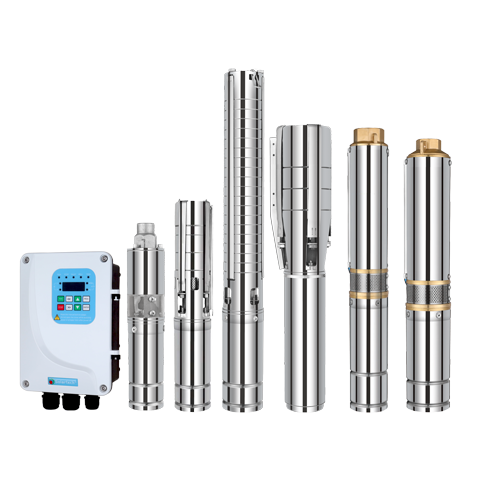
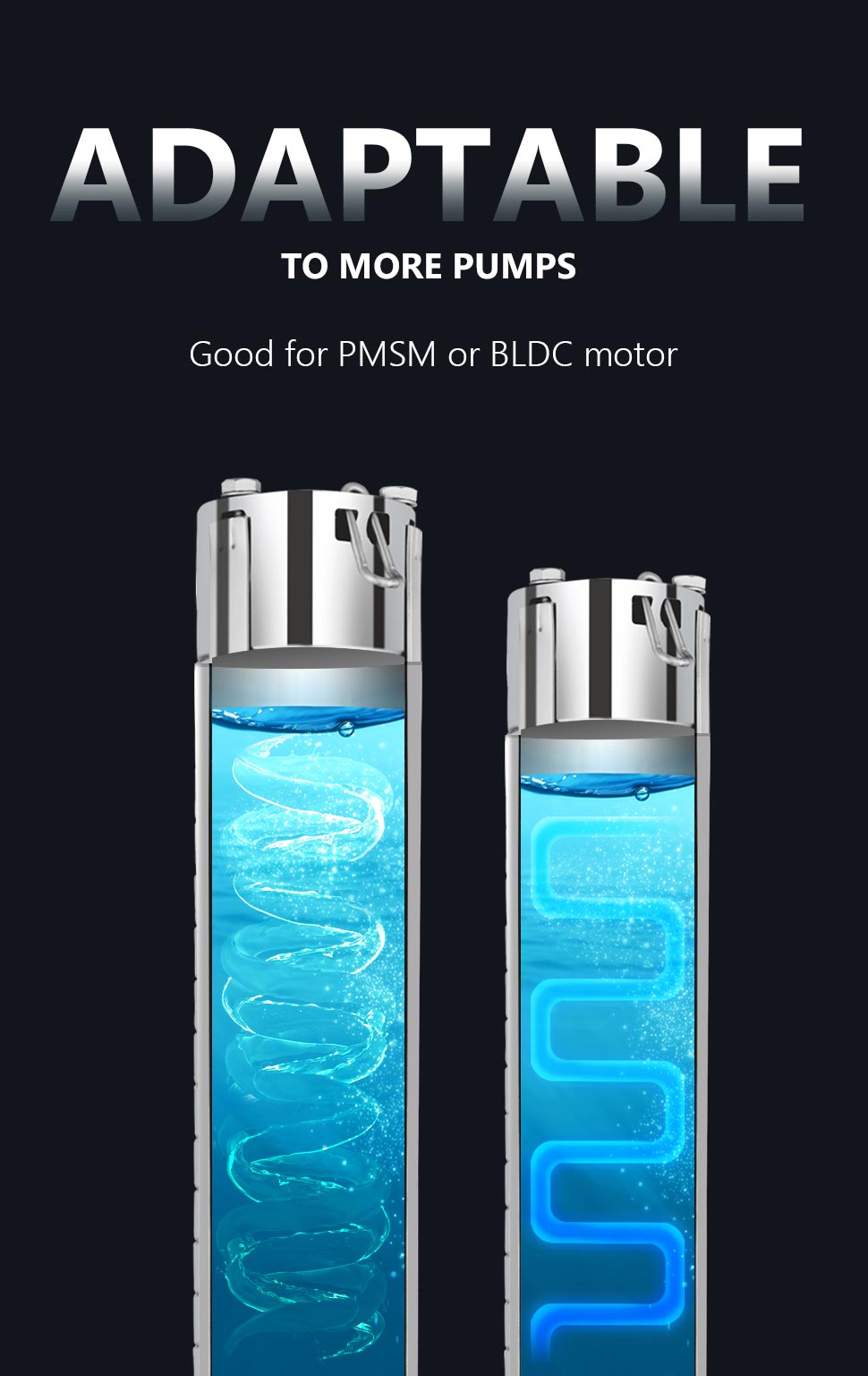
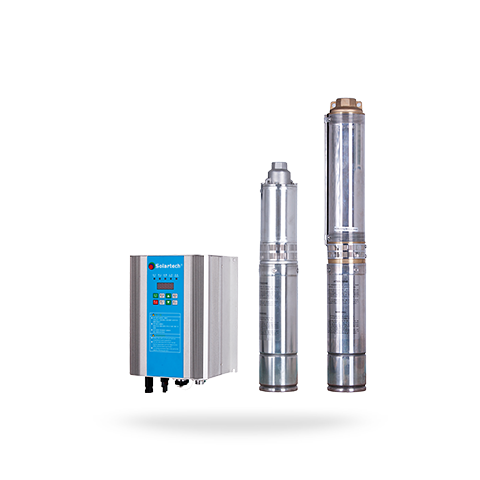
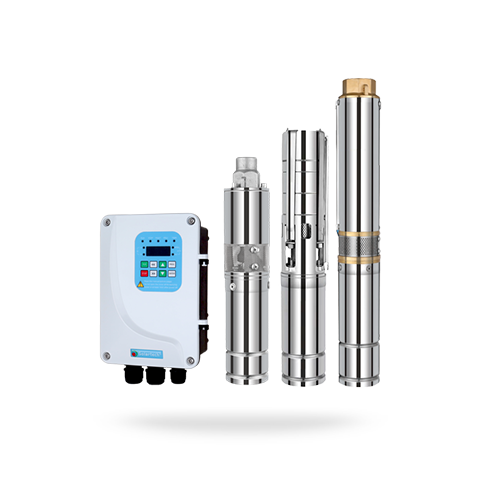
The SPM-S Solar Pump series is available with both Brushless DC (BLDC) motors and Permanent Magnet Synchronous Motors (PMSM). Both motor types use permanent magnet technology to achieve high efficiency, low energy consumption, and reliable solar-powered operation.
Q2 What are the advantages of a BLDC solar water pump?
BLDC solar pumps offer high starting torque, excellent efficiency, reduced maintenance requirements, and precise speed control. Their brushless design eliminates brush wear, resulting in longer service life and improved reliability in remote off-grid applications.
Q3 What are the advantages of a PMSM solar water pump?
Permanent Magnet Synchronous Motors (PMSM) provide higher operating efficiency, smoother torque output, lower heat generation, and better power factor compared with conventional induction motors. These advantages help maximize water output while reducing energy consumption.
Q4 What is the difference between BLDC and PMSM motors in solar pumping systems?
Both BLDC and PMSM motors use permanent magnets and provide high efficiency. BLDC motors are known for their simple control and strong starting performance, while PMSM motors typically offer smoother operation, higher efficiency at varying speeds, and improved long-term energy savings.
Q5 Why are permanent magnet motors better than traditional induction motors?
Permanent magnet motors eliminate rotor copper losses found in conventional induction motors. This results in higher efficiency, lower operating temperatures, faster response, and reduced solar array requirements for the same water output.
Q6 How do permanent magnet motors improve solar water pumping performance?
By converting more electrical energy into mechanical output, permanent magnet motors enable the pump to start earlier in the morning, operate longer throughout the day, and deliver greater daily water production under the same solar conditions.
Q7 Can a permanent magnet solar pump operate under weak sunlight conditions?
Yes. The combination of a high-efficiency permanent magnet motor and Solartech's Dynamic VI MPPT technology enables the system to utilize available solar energy more effectively, helping maintain operation during low irradiance periods.
Q8 Does the PM-S inverter support both BLDC and PMSM solar pumps?
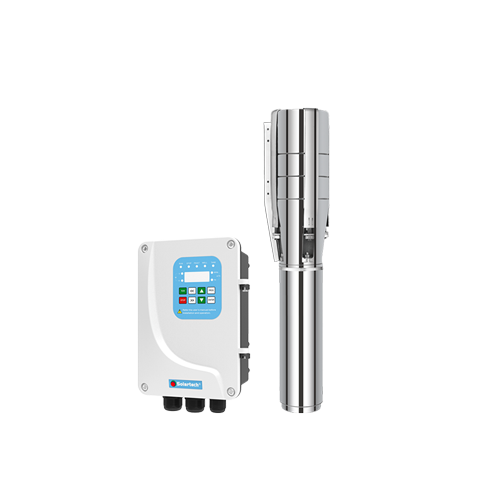
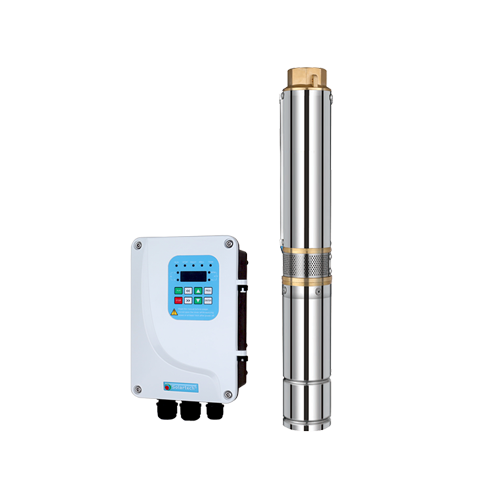
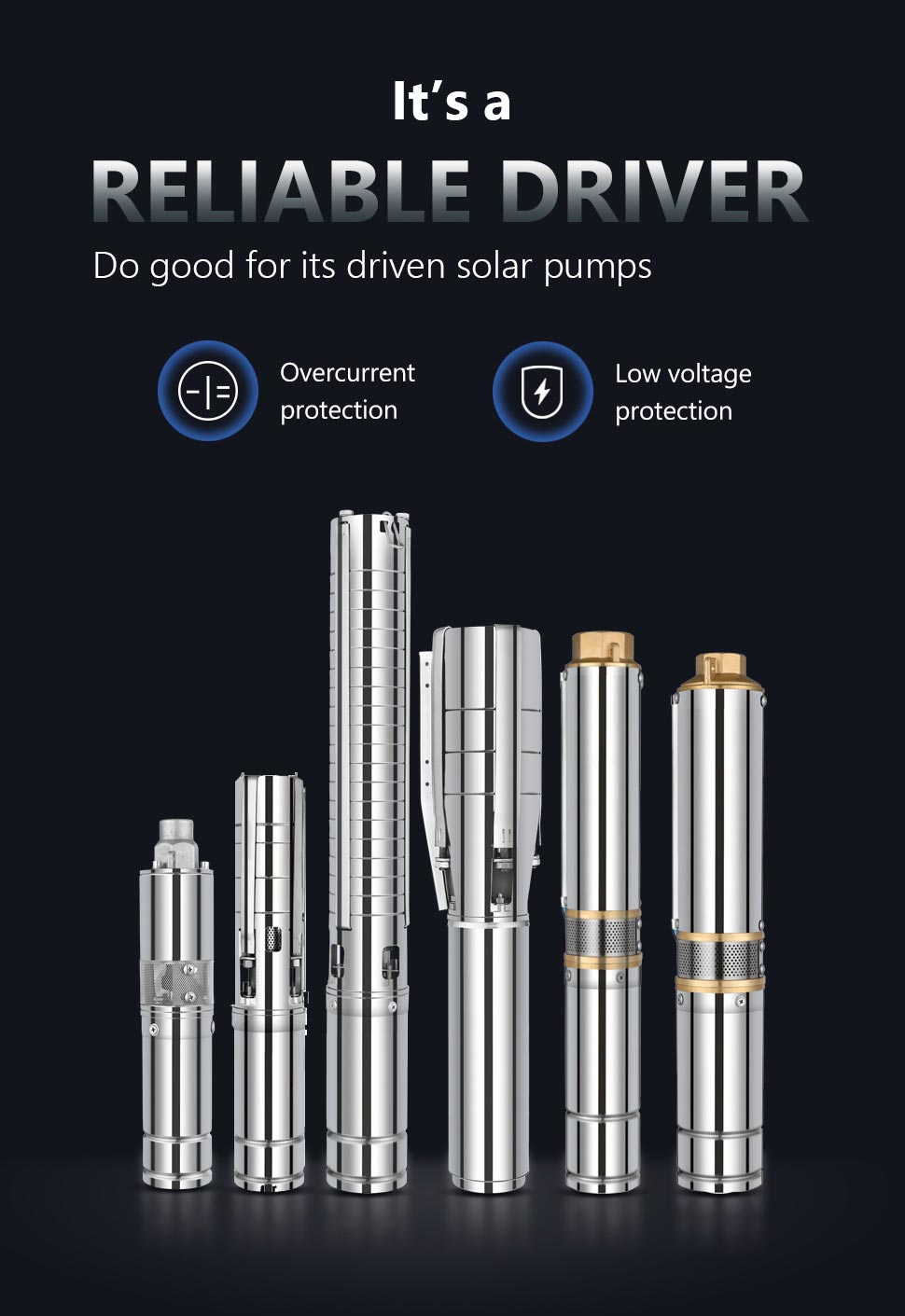
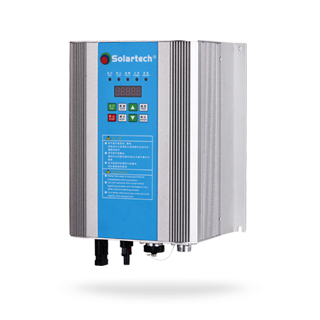
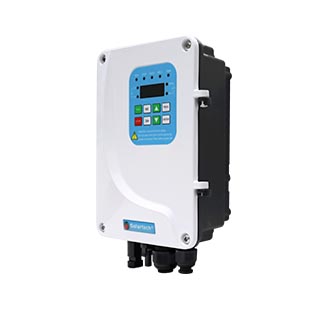
Yes. The PM-S solar pumping inverter is specifically designed to drive high-efficiency permanent magnet motors, including BLDC and PMSM pump configurations, ensuring optimal performance and energy utilization.
Q9 What protection functions are included in the SPM-S solar pumping system?
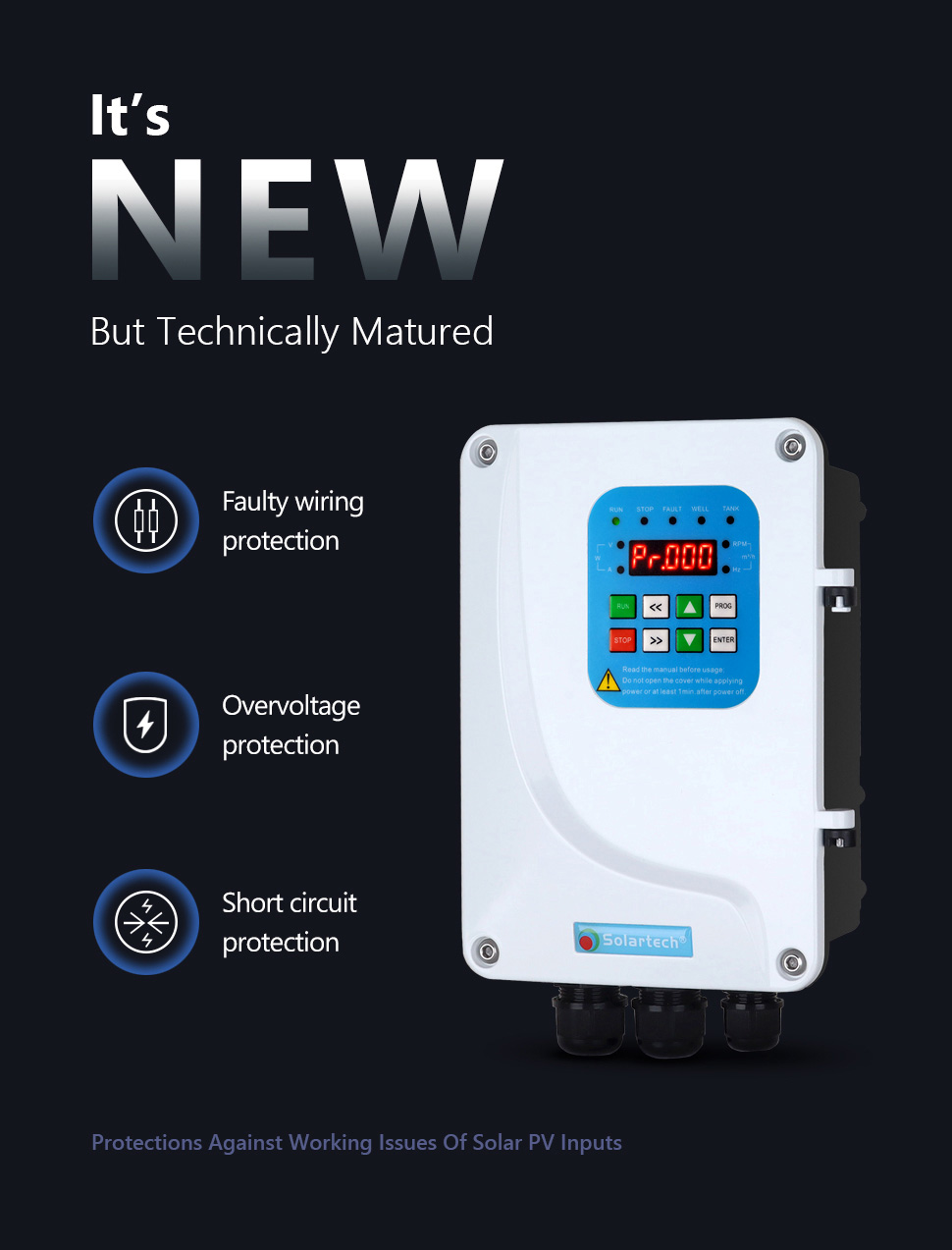
The system includes dry-run protection, water tank control, over-current protection, over-voltage protection, under-voltage protection, short-circuit protection, and PV reverse polarity protection for reliable operation.
Q10 Is the SPM-S Solar Pump suitable for agricultural irrigation?
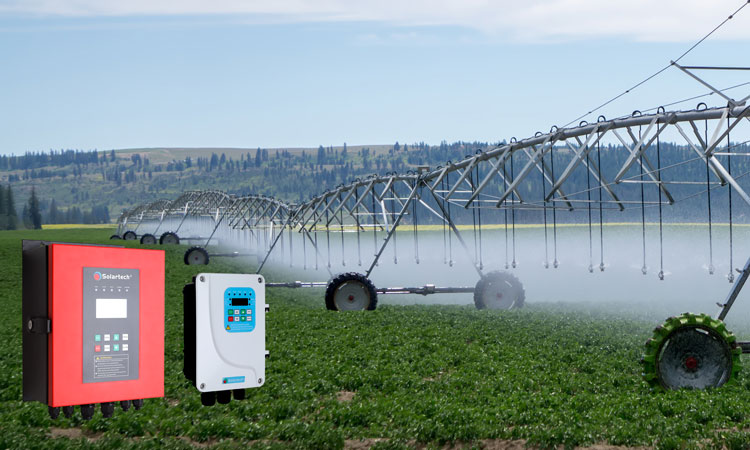
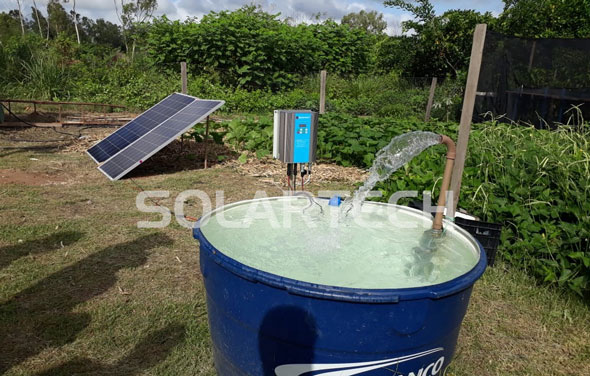
Yes. The system is widely used for drip irrigation, sprinkler irrigation, livestock watering, farmland irrigation, and rural water supply projects where grid electricity is unavailable or expensive.
Q11 Can the SPM-S Solar Pump be monitored remotely?
Yes. Optional 4G communication modules allow users to remotely monitor operating status, energy production, alarms, and water pumping performance.
Q12 Does the SPM-S PMS Pump Kit support PAYGO functionality?
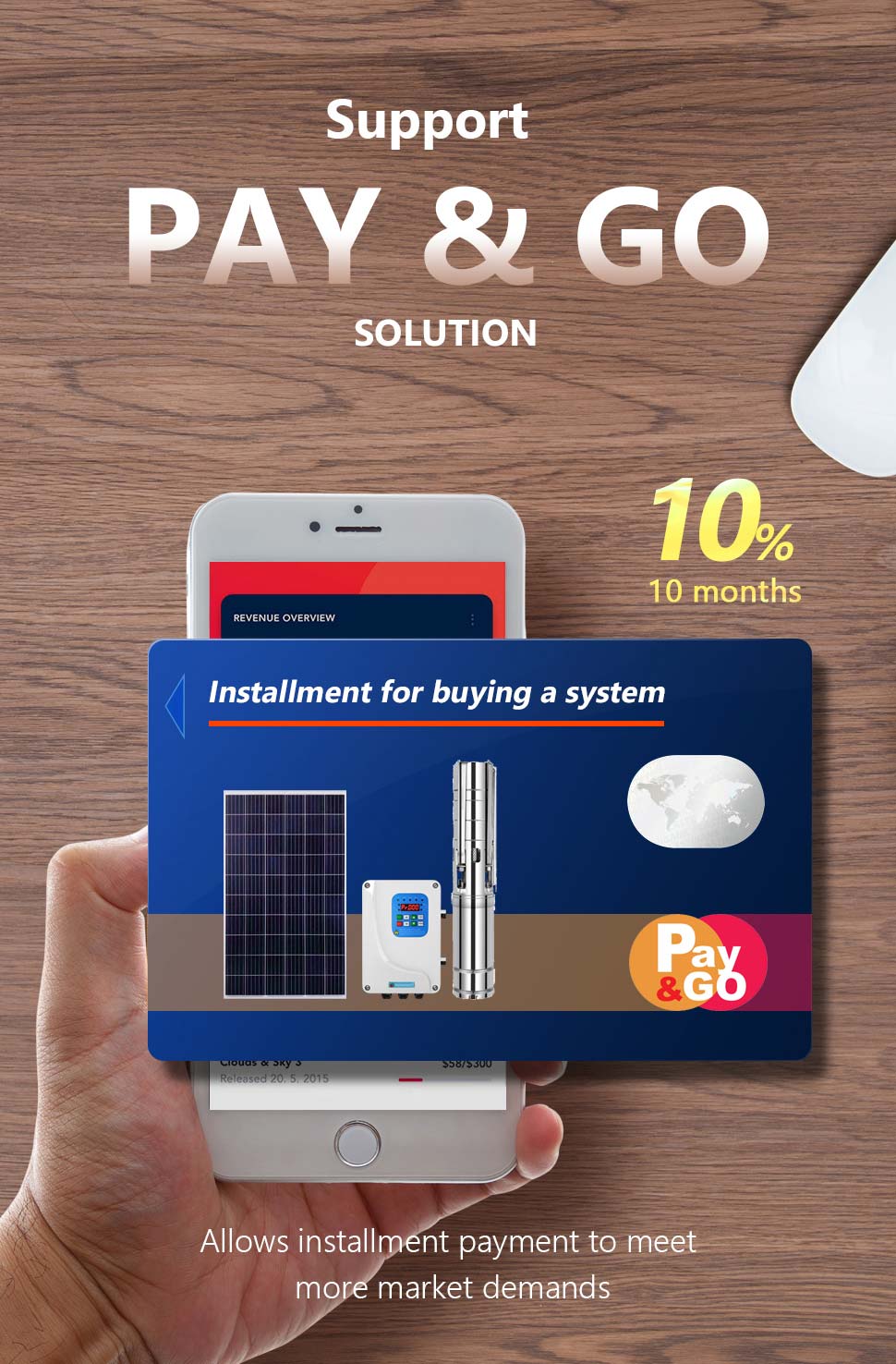
Yes. The SPM-S PMS Pump Kit can be equipped with Solartech's PAYGO solution, enabling distributors, microfinance institutions, and project developers to offer flexible installment-based payment plans for solar water pumping systems. This helps improve affordability and expand access to clean water in off-grid regions.
Q13 Does the SPM-S PMS Pump Kit support offline PAYGO tokens?
Yes. The system supports offline PAYGO operation through secure token-based activation. Users can purchase credit from local agents and enter a generated token code directly on the controller interface, allowing the pump to operate without requiring a continuous internet connection.
Key Benefits:
- ● No mobile data required
- ● Suitable for remote rural areas
- ● Reliable operation in low-connectivity regions
- ● Easy credit distribution through local dealer networks
Q14 Does the SPM-S PMS Pump Kit support online PAYGO management?
Yes. With an optional communication module, the system supports cloud-based PAYGO management. Operators can remotely activate, disable, monitor through an online platform.
Q15 Does the SPM-S Solar Pump Kit support the OpenPAYGO protocol?
Yes. The SPM-S Solar Pump Kit can be configured to support the OpenPAYGO protocol, allowing interoperability with OpenPAYGO-compatible software platforms, token generation systems, and financing ecosystems.
By supporting OpenPAYGO standards, Solartech helps distributors, NGOs, financial institutions, and project developers integrate solar water pumping systems into existing PAYGO infrastructures without being locked into a single proprietary platform.
Q16 How much water can a solar pump produce per day?
Daily water output depends on solar irradiation, pump model, and total dynamic head. Under favorable sunlight conditions, a properly sized SPM-S Solar Pump system can deliver from several cubic meters to 160 cubic meters of water per day, making it suitable for irrigation, livestock watering, and community water supply applications.
Q17 How deep can the SPM-S Solar Pump lift water?
The SPM-S Solar Pump series is available in multiple models designed for different pumping heads. Depending on the selected configuration, the system can lift water from shallow wells to deep boreholes exceeding 150 meters.
Q18 Is the SPM-S Solar Pump suitable for drip irrigation systems?
Yes. The system can provide stable water pressure and flow for drip irrigation systems, helping farmers improve water efficiency, reduce water waste, and increase crop productivity.
Q19 Can the SPM-S Solar Pump be used for community water supply projects?
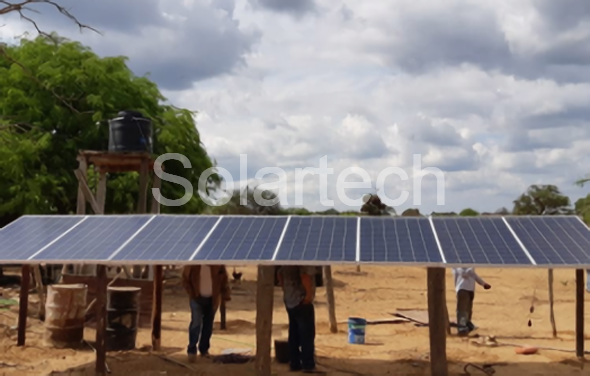
Yes. The system is commonly deployed in rural villages, schools, health centers, and NGO-funded water projects. It provides a reliable and sustainable water source for drinking water, sanitation, and community development.
Q20 Which regions are most suitable for solar water pumping systems?
Solar water pumping systems perform best in regions with abundant sunlight, including Africa, the Middle East, Southeast Asia, Latin America, and other areas where grid electricity is limited or unreliable.









 Interested in Solartech

